Key Takeaways
The Rhode Island Office of Energy Resources launched a Building Automation Systems Accelerator to upgrade HVAC controls across state agency facilities.
Legacy pneumatic and standalone control systems cannot satisfy Chapter 13 of the Rhode Island Building Code 2021 minimum design requirements.
Facilities without centralized automation lose thousands of dollars annually to equipment runtime that serves no occupancy need.
A centralized building automation system integrates HVAC, lighting, and energy meters into a single monitoring interface for facility managers.
Why upgrade building controls in Rhode Island?
What happens when building controls remain outdated?
How do Rhode Island incentive programs reduce upgrade costs?
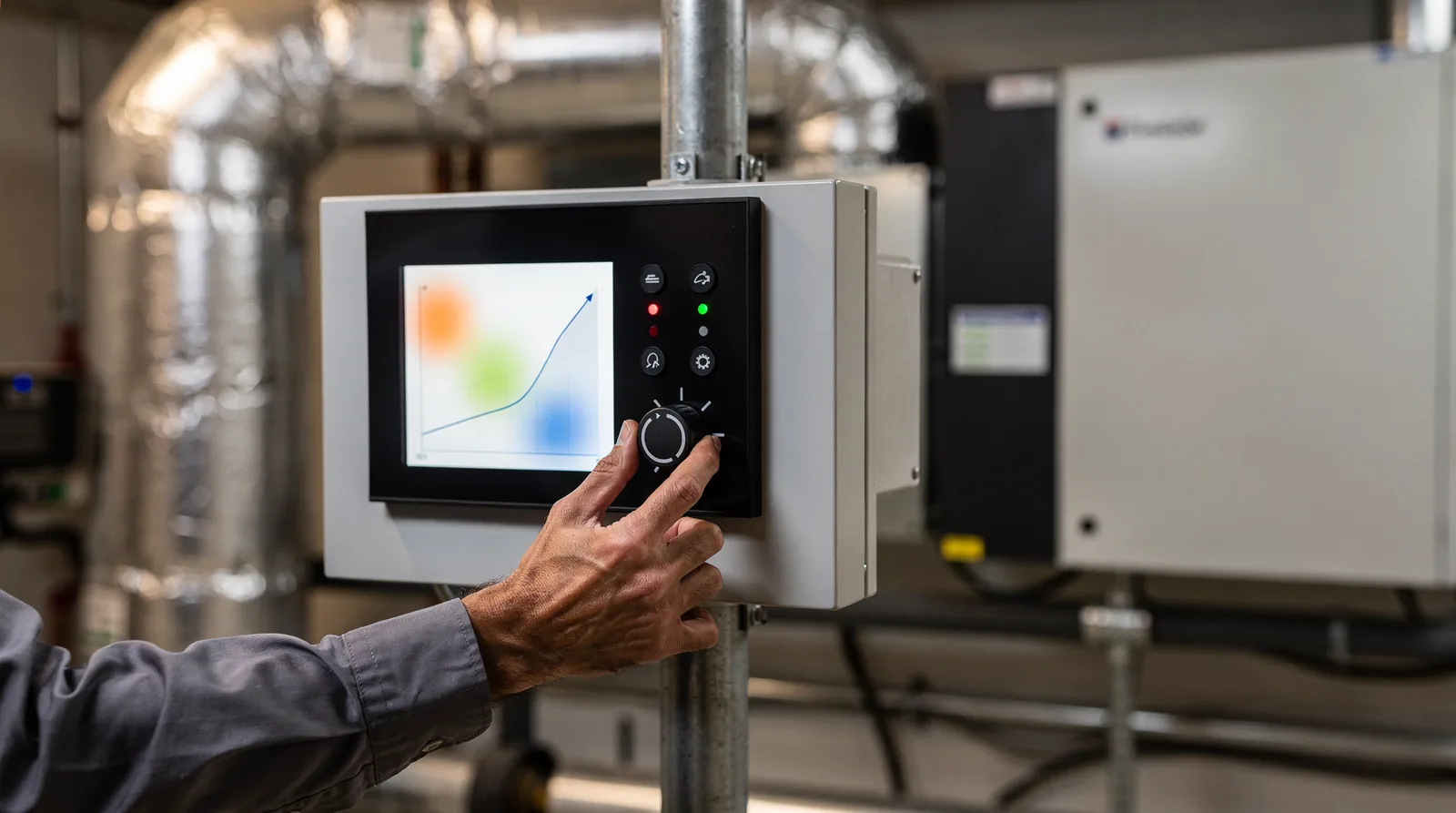
What is a building automation system?
What components make up a building automation system?
Who provides building automation and controls in Rhode Island?
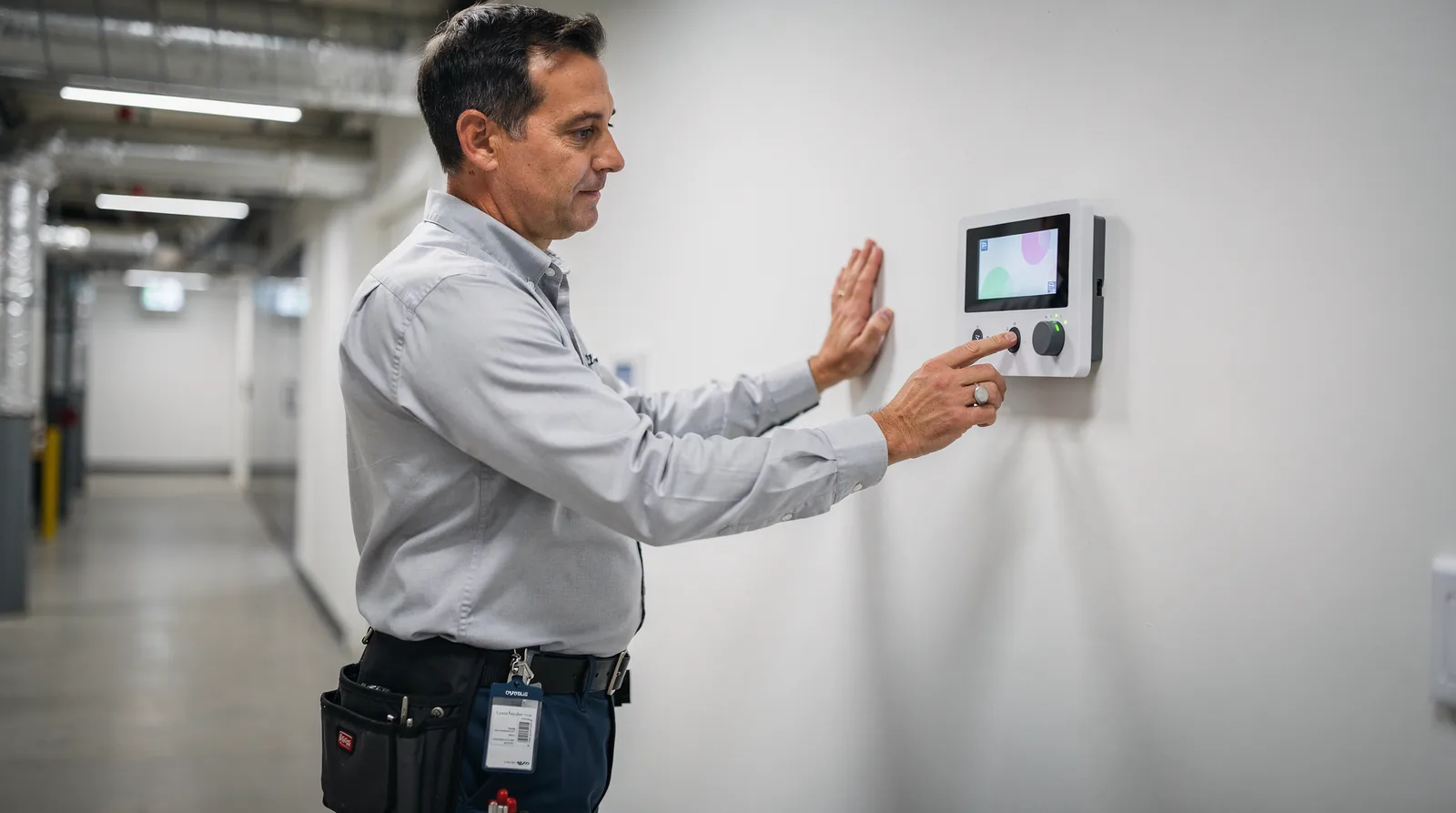
How do building controls cut energy costs?
How does automated scheduling reduce utility bills?
What role does predictive maintenance play in cost control?
Demand-controlled ventilation adjusts outdoor air intake based on CO2 levels rather than fixed schedules
Optimal start/stop algorithms calculate precisely when to begin heating or cooling to reach setpoints by occupancy time
Economizer controls leverage cool outdoor air for free cooling when conditions permit
Can building controls improve comfort while cutting costs?
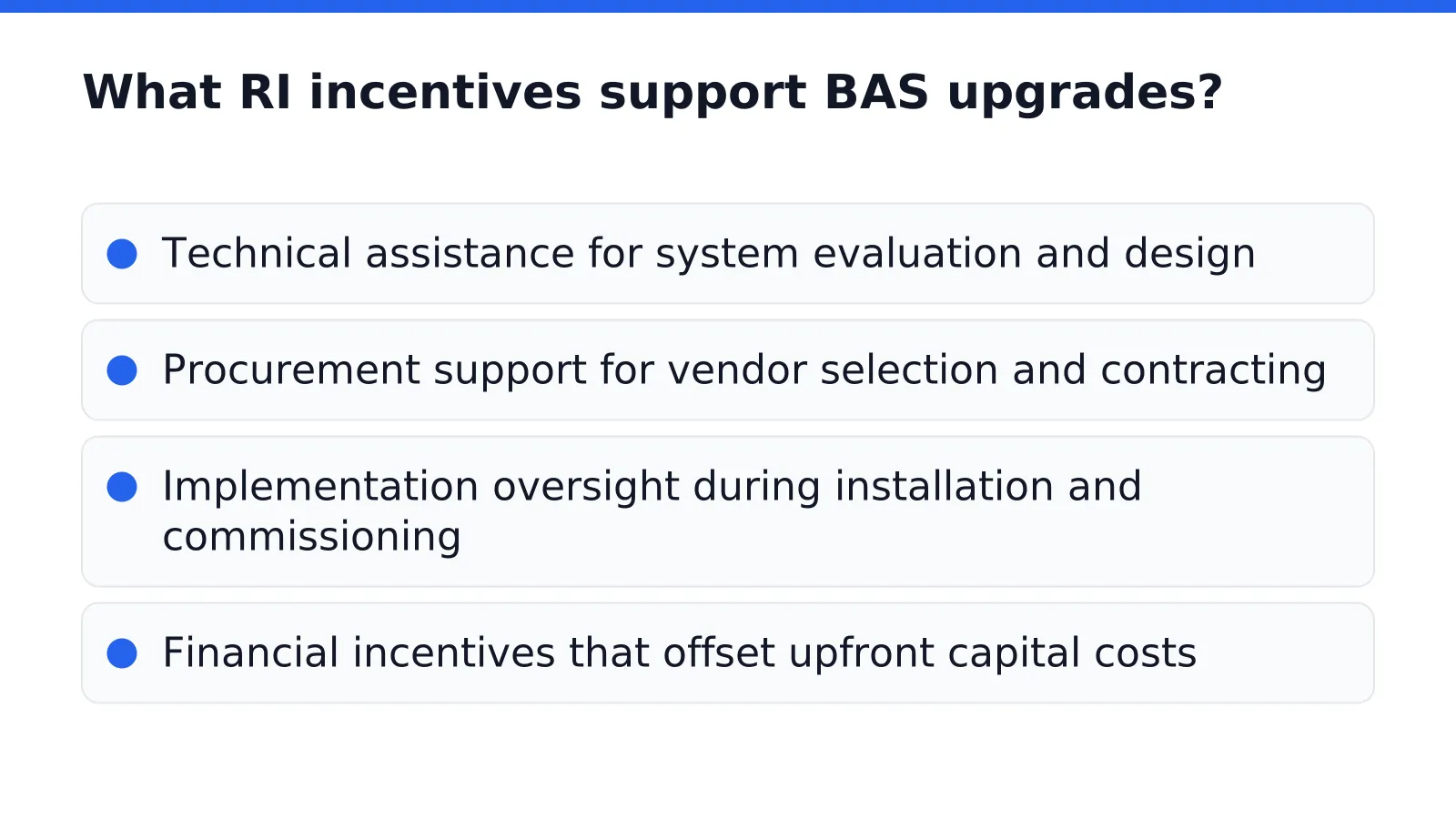
What RI incentives support BAS upgrades?
What does the Building Automation Systems Accelerator cover?
Technical assistance for system evaluation and design
Procurement support for vendor selection and contracting
Implementation oversight during installation and commissioning
Financial incentives that offset upfront capital costs
How much can small businesses recover for building controls RI?
Who handles building controls Providence RI implementation?
How to choose a controls partner in RI?
What experience should a Rhode Island controls partner have?
What technical capabilities matter most?
Regional experience: Multi-year presence across Rhode Island commercial and industrial facilities
Engineering depth: In-house design capability, not subcontracting to third parties
Integration range: Proven ability to unify HVAC, lighting, and metering across mixed-age equipment
Ongoing support: Monitoring and commissioning services that prevent performance decay